Knee Cruciate Ligament
Knee Cruciate Ligament
The knee joint is formed by the meeting of three bones: the thighbone (femur), shinbone (tibia), and kneecap (patella). The kneecap sits in front of the joint to provide added protection.Connecting these bones are ligaments, which act as strong ropes to hold the bones together and maintain stability in the knee.
The hip is a ball-and-socket joint. The socket is formed by the acetabulum, which is part of the large pelvis bone. The ball is the femoral head, which is the upper end of the femur (thighbone).Both acetabulum and head of femur are covered by cartilage, a rubbery covering which keeps the bones away of each other.
First line of management in any hip pathology is conservative, non-surgical management. That includes ice, NSAID medicines and physio. Sometimes lifestyle modifications also helps a lot. This modalities decreases inflammation, swelling. Inflammation is cause of pain so pain is alleviated.
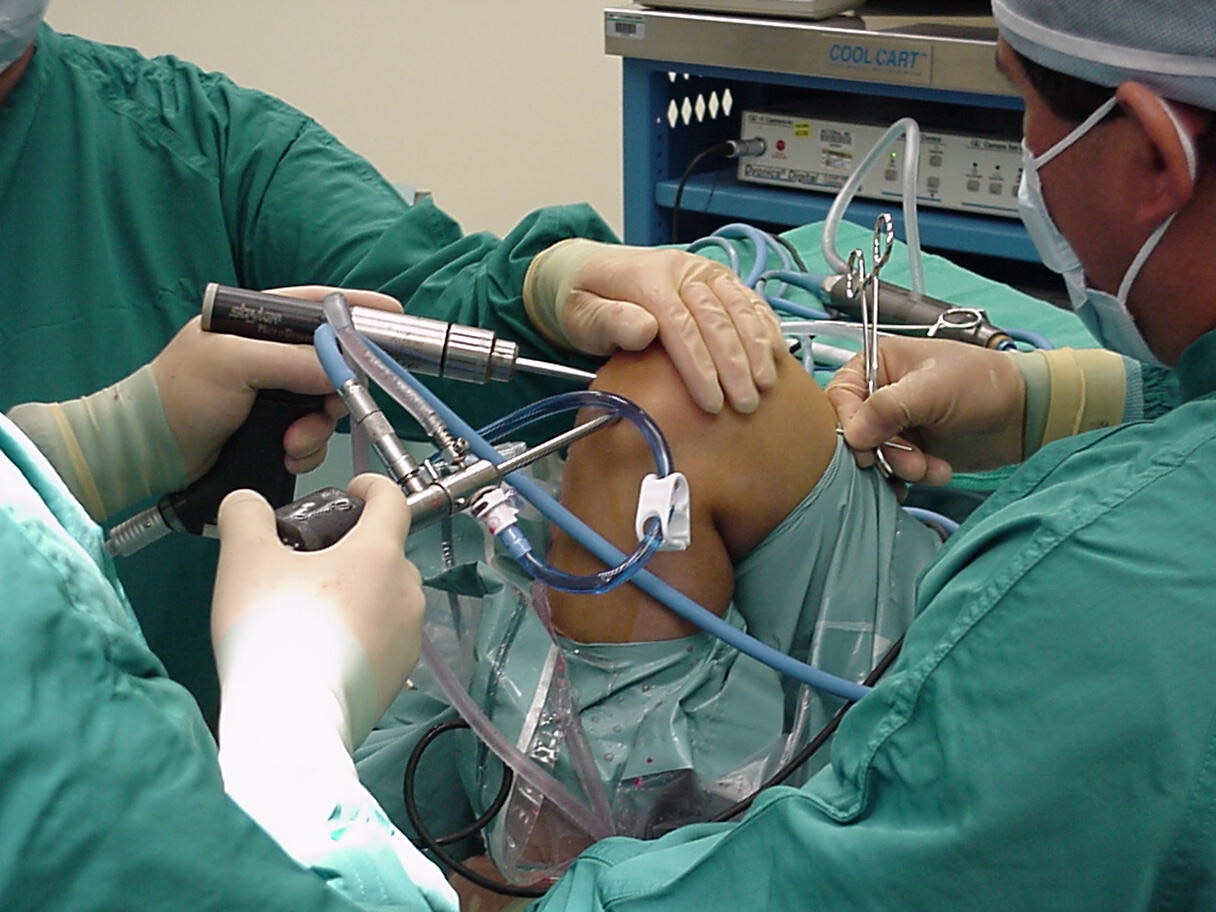
Hip arthroscopy may relieve painful symptoms of many problems that damage the labrum, articular cartilage, or other soft tissues surrounding the joint.
Causes of ACL Injuries
-
Changing direction rapidly
-
Stopping suddenly
-
Slowing down while running
-
Landing from a jump incorrectly
-
Direct contact or collision, such as a football tackle
Symptoms
-
Loss of full range of motion
-
Tenderness along the joint line
-
Discomfort while walking
-
Feeling of instability in the Knee
Anterior Cruciate Ligament Treatment
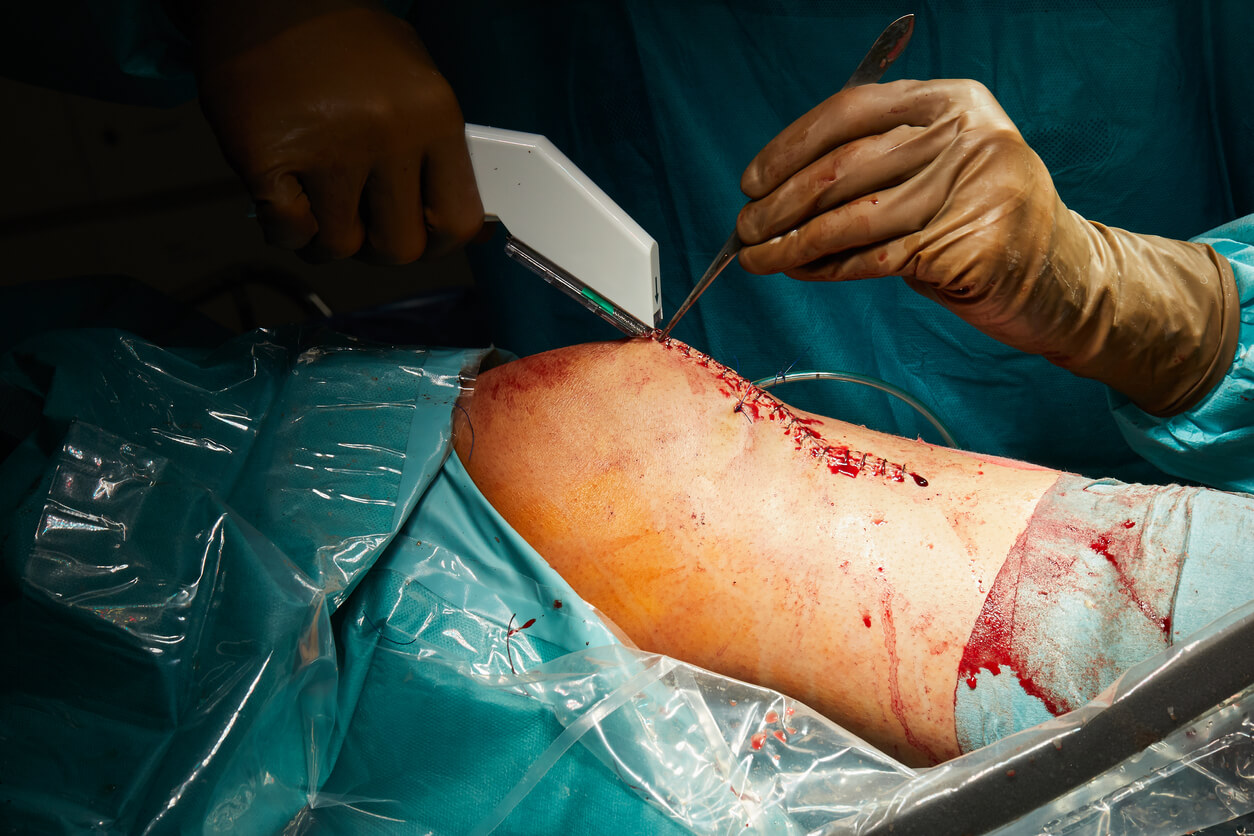
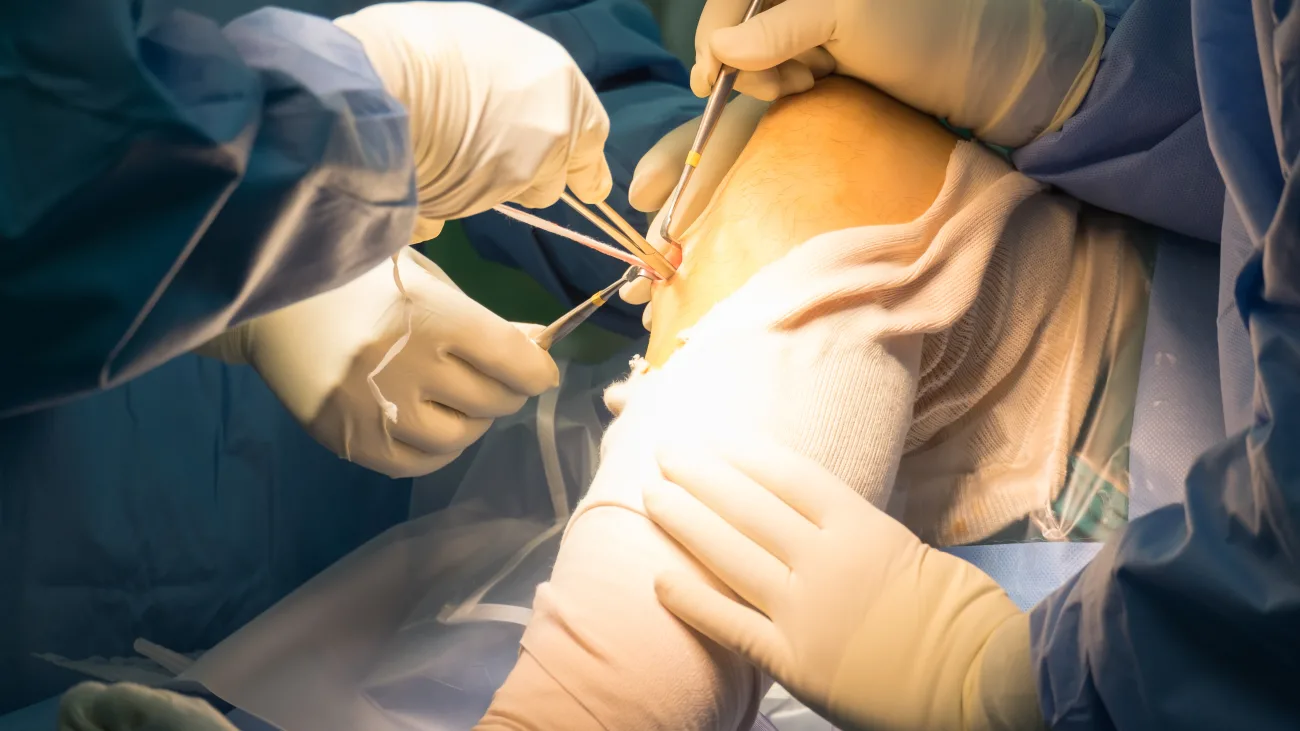
ACL Tear Surgery will vary depending upon the patient individual needs. For example, the young athlete involved in agility sports will most likely require surgery to safely return to sports. The less active, usually older, individual may be able to return to a quieter lifestyle without surgery.
Rehabilitation After ACL Ligament Surgery
If you have surgery, physical therapy first focuses on returning motion to the joint and surrounding muscles. This is followed by a strengthening program designed to protect the new ligament. This strengthening gradually increases the stress across the ligament. The final phase of rehabilitation is aimed at a functional return tailored for the athletes sport.
Recovery
After Arthroscopic Hip Surgery, you will stay in the recovery room for 1 to 2 hours before being transfer to ward. Usually you are discharged next day to your home you can also expect to be on crutches, or a walker, for some period of time.
Rehabilitation
In most cases, physical therapy is necessary to achieve the best recovery. Specific exercises to restore your strength and mobility are important. Your therapist can also guide you with additional does and do not during your rehabilitation.