Reverse Shoulder Arthroplasty Surgery
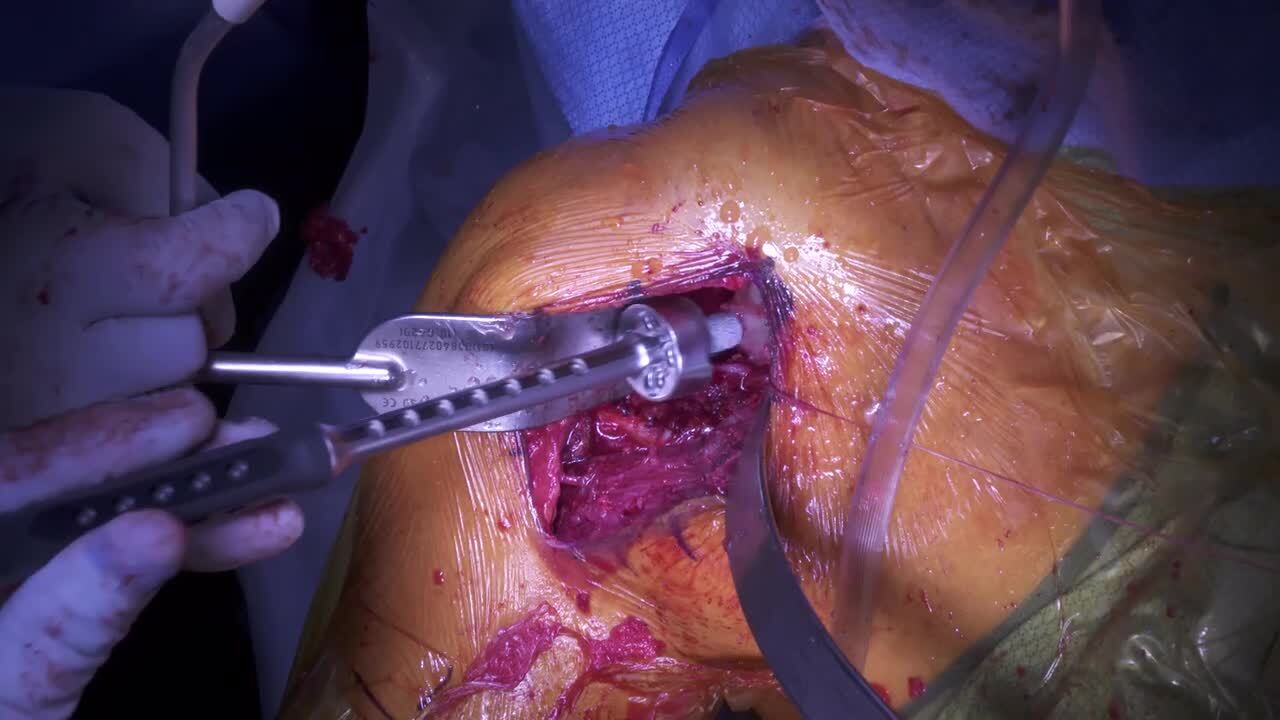
Reverse Shoulder Arthroplasty Surgery
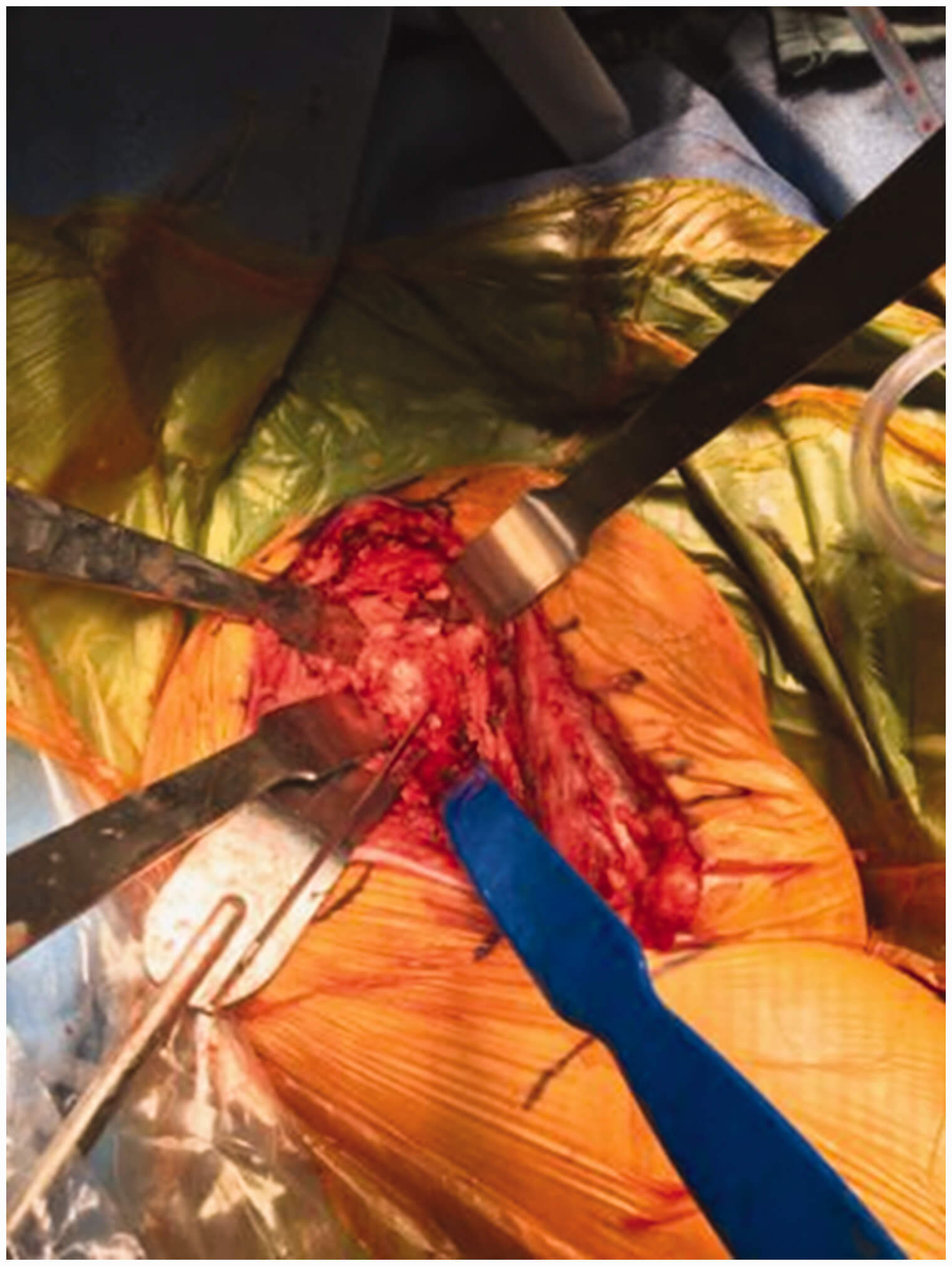
Every year, thousands of conventional total shoulder replacements are successfully done in the United States for patients with shoulder arthritis. This type of surgery, however, is not as beneficial for patients with large rotator cuff tears who have developed a complex type of shoulder arthritis called "cuff tear arthropathy." For these patients, conventional total shoulder replacement may result in pain and limited motion, and reverse total shoulder replacement may be an option.
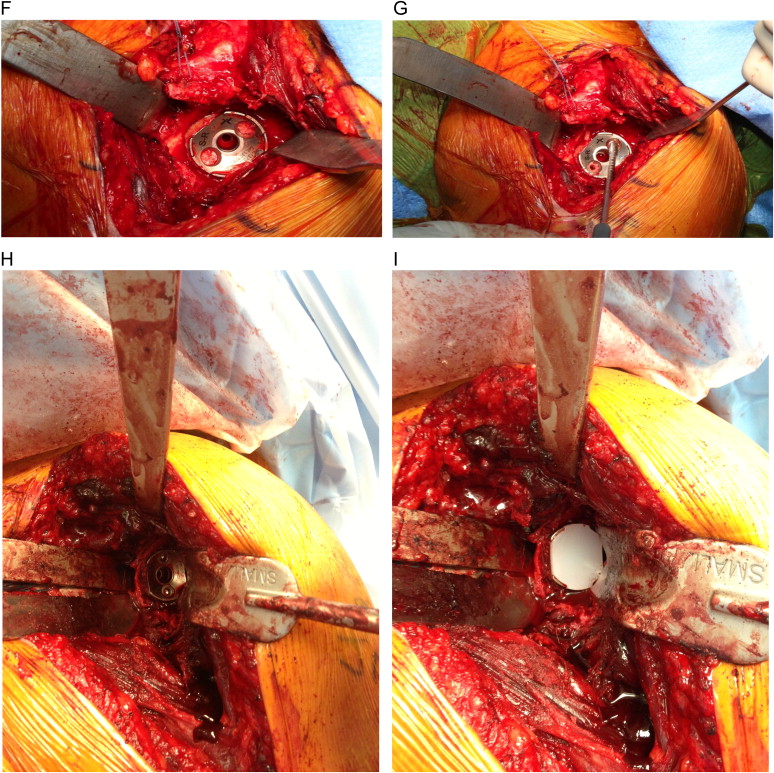
A conventional shoulder replacement device mimics the normal anatomy of the shoulder: a plastic "cup" is fitted into the shoulder socket (glenoid), and a metal "ball" is attached to the top of the upper arm bone (humerus). In a reverse total shoulder replacement, the socket and metal ball are switched. The metal ball is fixed to the socket and the plastic cup is fixed to the upper end of the humerus.
Total reverse shoulder arthroplasty works better for people with cuff tear arthropathy because it relies on different muscles to move the arm. In a healthy shoulder, the rotator cuff muscles help position and power the arm during range of motion. A conventional replacement device also uses the rotator cuff muscles to function properly. In a patient with a large rotator cuff tear and cuff tear arthropathy, these muscles no longer function. The reverse total shoulder replacement relies on the deltoid muscle, instead of the rotator cuff, to power and position the arm.
Candidates for Surgery
-
A completely torn rotator cuff that cannot be repaired
-
Cuff tear arthropathy
-
A previous shoulder replacement that was unsuccessful
-
Severe shoulder pain and difficulty lifting your arm away from your side or over your head
-
Tried other treatments, such as rest, medications, cortisone injections, and physical therapy, that have not relieved shoulder pain
Surgical Complications
Reverse total shoulder replacement is a highly technical procedure. Your surgeon will evaluate your particular situation carefully and discuss the risks of surgery with you.Risks for any surgery include bleeding and infection. Complications specific to a total joint replacement include wear, loosening, or dislocation of the components. If any of these occur, the new shoulder joint may need to be revised, or re-operated on.
Long-Term Outcomes
After rehabilitation, you will most likely be able to lift your arm to just above shoulder height and bend your elbow to reach the top of your head or into a cupboard. Reverse total shoulder replacement provides outstanding pain relief and patient satisfaction is typically very high.