Constipation
Constipation
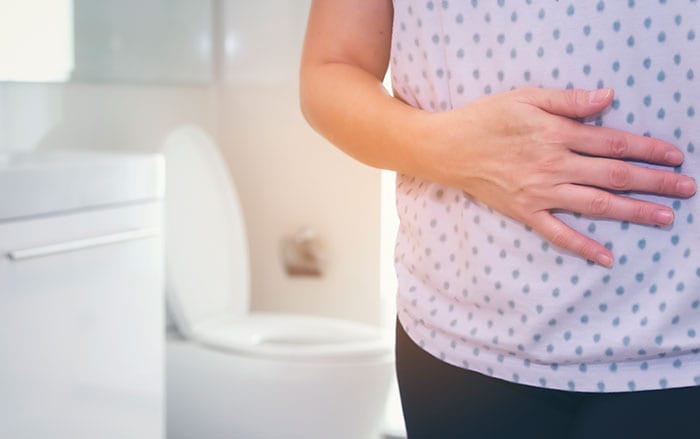
Constipation is a common digestive condition where bowel movements become infrequent (fewer than three per week), stools are hard and dry, and passing them is often difficult or painful. It may be caused by low dietary fiber, dehydration, lack of exercise, certain medications, or structural and functional disorders of the colon. While occasional constipation is normal, persistent or severe constipation can affect daily life and may indicate an underlying medical condition.
You should consult a doctor if constipation lasts for several weeks despite lifestyle changes, is associated with abdominal pain or bloating, rectal bleeding, dependency on laxatives, or complications such as hemorrhoids and fissures. At PRIME ORTHOPEDIC & SURGICAL UNIT, our specialists carefully evaluate the root cause through clinical examination and advanced diagnostic tests before planning the right treatment.
Treatment options may include dietary changes, increased fluid intake, medications, and physiotherapy. If these measures fail, surgical treatment may be necessary. Surgical options include colectomy (partial or total), sphincter repair, or removal of obstructive lesions. Minimally invasive laparoscopic methods are preferred whenever possible for faster recovery and less pain.
Our experienced surgeons at PRIME ORTHOPEDIC & SURGICAL UNIT provide individualized treatment plans with advanced techniques and comprehensive post-surgery care including dietary advice, physiotherapy, and rehabilitation support.
When to Seek Medical Care?
-
Lasting for several weeks despite diet/lifestyle changes
-
Associated with severe abdominal pain or bloating
-
Accompanied by rectal bleeding.
-
Causing dependence on laxatives
-
Leading to complications like hemorrhoids, fissures, or prolapse
Treatment Options
Non-Surgical Management
-
Increasing fiber and water intake
-
Regular exercise
-
Medications or laxatives (if prescribed by the doctor)
-
Pelvic floor physiotherapy (for functional causes)
Surgical Management (when medical treatments fail)
-
Colectomy (partial or total): Removal of the diseased portion of the colon.
-
Sphincter repair: For patients with sphincter muscle dysfunction.
-
Removal of obstructive lesions: To treat structural blockages.
-
Minimally invasive procedures (laparoscopic): Preferred for quicker recovery and reduced pain.
At PRIME ORTHOPEDIC & SURGICAL UNIT, our specialists evaluate the underlying cause through clinical examination and advanced diagnostic methods before planning treatment.