Hip Arthroscopy Surgery
Hip Arthroscopy Surgery
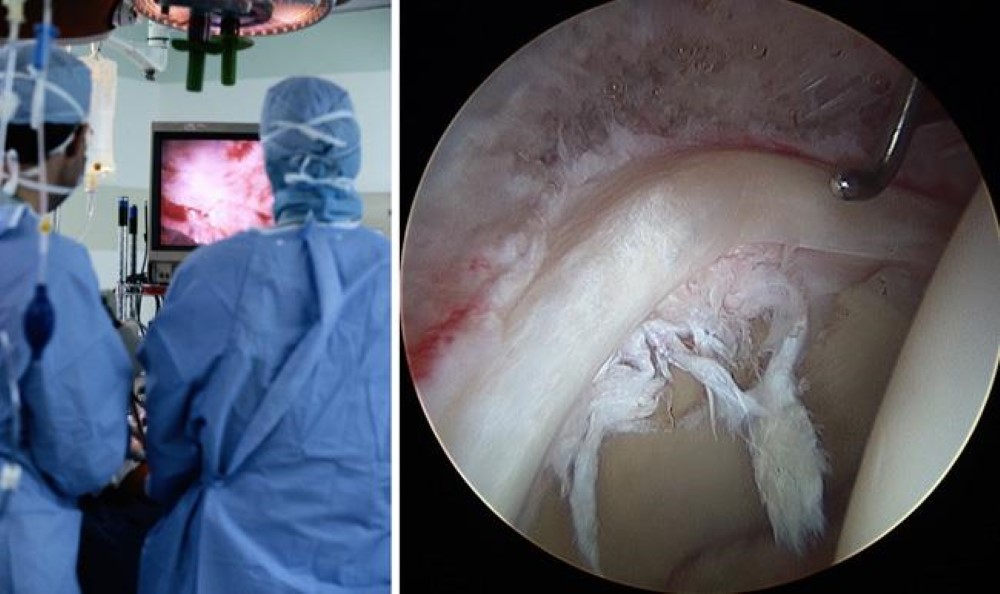
Hip Arthroscopy Surgery is key hole approach to joints. Hip arthroscopy means hip joint is visualized through 4.5 mm telescope attached with a TV. It is done since many years but not as often as knee arthritis or shoulder dislocation surgery.
The hip is a ball-and-socket joint. The socket is formed by the acetabulum, which is part of the large pelvis bone. The ball is the femoral head, which is the upper end of the femur (thighbone).Both acetabulum and head of femur are covered by cartilage, a rubbery covering which keeps the bones away of each other.
First line of management in any hip pathology is conservative, non-surgical management. That includes ice, NSAID medicines and physio. Sometimes lifestyle modifications also helps a lot. This modalities decreases inflammation, swelling. Inflammation is cause of pain so pain is alleviated.
Hip arthroscopy may relieve painful symptoms of many problems that damage the labrum, articular cartilage, or other soft tissues surrounding the joint.
Surgical Procedure
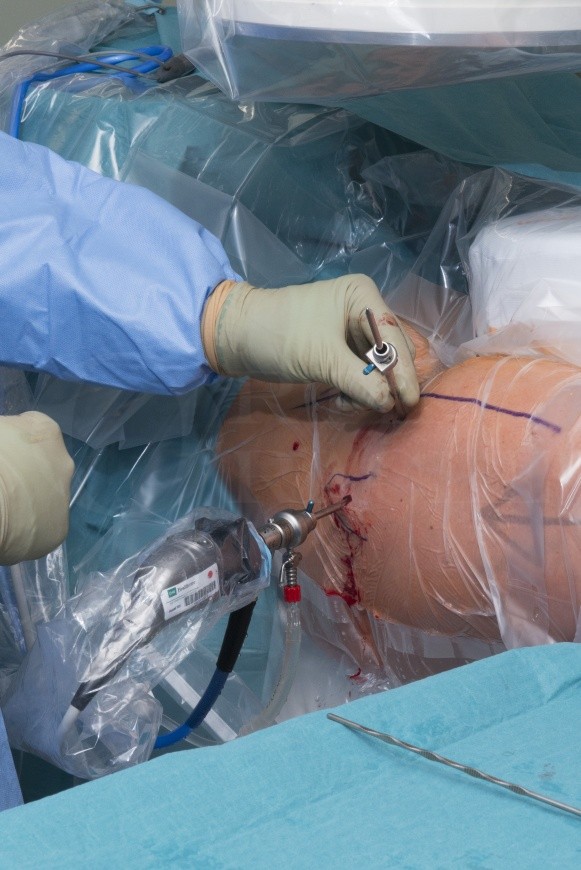
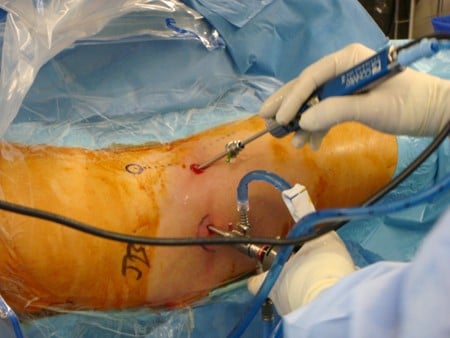
At the start of the procedure, your leg will be put in traction. This means that your hip will be pulled away from the socket enough for your Hip Arthroscopy Surgeon to insert instruments, see the entire joint, and perform the treatments needed.After traction is applied, your Hip Arthroscopy Surgeon will make a small puncture in your hip (about the size of a buttonhole) for the arthroscope. Through the arthroscope, he or she can view the inside of your hip and identify damage.
Complications
Complications from hip arthroscopy are uncommon. Any surgery in the hip joint carries a small risk of injury to the surrounding nerves or vessels, or the joint itself. The traction needed for the procedure can stretch nerves and cause numbness, but this is usually temporary.
Recovery
After Arthroscopic Hip Surgery, you will stay in the recovery room for 1 to 2 hours before being transfer to ward. Usually you are discharged next day to your home you can also expect to be on crutches, or a walker, for some period of time.
Rehabilitation
In most cases, physical therapy is necessary to achieve the best recovery. Specific exercises to restore your strength and mobility are important. Your therapist can also guide you with additional does and do not during your rehabilitation.